
 01582 341030


How to protect your skin barrier, and can it be repaired?

From the trendiest ingredients to the latest hacks, the whirlwind world of skincare is always on the move.
But guess what? The key to radiant skin might not be in some fancy potion but in something as simple as backing up our skin’s bouncer – the skin barrier.
A tough skin barrier is like the superhero cape for our skin. It’s the guardian that shields us from the sun’s sneaky tricks and the irritation caused by too many skincare adventures, keeping our skin gleaming and beaming with joy!
What is the Skin Barrier?
Consider it as your skin’s coat of armour against environmental damage. The skin barrier, known as the stratum corneum, is the outermost layer of our skin where skin cells are bound together by a lipid glue, much like bricks and mortar. This layer plays a crucial role by acting as the primary defence against environmental stressors like pollution, germs, and irritants. Additionally, it helps in retaining moisture and prevents water loss from the skin.
What causes damage to the Skin Barrier?
In addition to age and environmental factors like excessive sun exposure and cold weather, overwashing – particularly with hot water – can impact your skin barrier and its functionality.
Using a cleanser or soap that is too harsh and disturbs the skin’s natural acidic pH can disrupt the skin barrier, leading to moisture loss. The frequent use of alcohol-based hand sanitisers, although necessary, may also contribute to this issue. Harsh cleansers and products with potent active ingredients can cause irritation, affecting the skin barrier function.
Potentially irritating ingredients such as alpha hydroxy acids, vitamin C, and retinol, especially if you are new to them, can cause more harm than good.
Genetics can also influence skin sensitivity and the strength of the skin barrier. Some individuals are genetically predisposed to barrier damage, making them more susceptible to skin issues from factors like central heating, cold winds, or dry winter conditions.
How to tell if your Skin Barrier is damaged:
Red and irritated skin, as well as flaky and dehydrated is clear skin with a disrupted skin barrier. It may also be more prone to breakouts. Suffering from conditions like eczema can also make you more prone to a damaged barrier.
Not only is the appearance of the skin important in identifying a damaged barrier, but you may also be able to tell by the way it feels throughout the day. If your skin constantly feels dry and you have to reapply moisturiser regularly, this could indicate that your skincare regime needs a revamp and your skin barrier needs some TLC.
How to support a damaged Skin Barrier:
If you are suffering from the effects of a damaged skin barrier and need some help to improve your skincare routine, here are some key facts to help support and improve your skin barrier’s condition:
Use a gentle cleanser.
As your skin may be feeling a little fragile, use a cleanser free from fragrances. Depending on your skin type, the product will vary. For oily skin, a foaming cleanser will help to clear out clogged pores. For dry skin, a hydrating cleanser will gently clean the skin. For acne-prone skin, something containing Salicylic Acid will help to maintain skin health and minimise breakouts.
Try Hyaluronic Acid.
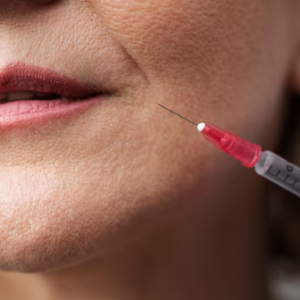
Sometimes going back to basics can be a good idea. If your skin is feeling dry and rough, cutting back on anything containing active ingredients is important until the skin settles. (This is exfoliant acids such as salicylic and any retinol). However, incorporating a Hyaluronic Acid (HA) serum or skin booster can benefit most, if not all skin types. HA is a type of ingredient which attracts and absorbs water to improve hydration. Skin-boosting injections such as Profhilo and Seventy Hyal are great for improving moisture from within.
Choose a sensitive Moisturiser.
Knowing the building blocks for a good skin barrier is important to have at the back of your mind when checking ingredients. Fatty acids, cholesterol and ceramides are all nourishing ingredients and ideally, a moisturiser will contain one, if not all, of these ingredients. Looking out for Glycerine and Niacinamide will help to nourish and smooth the skin.
Keep your skin protected!
Protecting the skin from all factors that can encourage moisture loss is essential. Try swapping out hot showers for lukewarm water, and use a daily SPF to protect from the sun’s UV rays.
Consistency and patience are key to repairing your skin’s natural barrier. Stripping products back to basics and ensuring a moisture-rich regime will have your skin feeling fresh and glowy in no time.
Related Posts

Unlock The Secrets Of Your Skin With Micro-Needling; The Ultimate Guide

How Chemical Peels Can Be Transformative; A Step-By-Step Guide

Chin Filler: Everything You Need to Know

Using Dermal Filler to Reverse the Signs of Aging

Tips for Embracing Your Skin’s Journey
LEAVE A REPLY
Your email address will not be published. Required fields are marked *